Saudi Arabia
The AI shopping assistant for supermarkets in Saudi Arabia
It understands shoppers the way they write and speak, in Saudi Arabic, Arabizi and English, searches your catalog with each branch's prices in riyals, and fills the basket in your app, on WhatsApp and on the phone.
أبغى رز بسمتي خمسة كيلو
I want five kilos of basmati rice.
وش أرخص حليب عندكم؟
What is your cheapest milk? (Najdi)
أبي أسوي كبسة لعشرة أشخاص، وش أحتاج؟
I want to make kabsa for ten people, what do I need?
إيش عندكم سناكات للمدرسة بأقل من خمسين ريال؟
What school snacks do you have under fifty riyals? (Hijazi)
abgha 7aleeb almarai kbeer
I want the large Almarai milk (Arabizi).
فيه شي مشابه بس بدون سكر؟
Anything similar, but sugar-free?
In short
Hephon Commerce is an AI shopping assistant for supermarkets, grocery delivery and quick-commerce retailers in Saudi Arabia. It reads Saudi Arabic as shoppers write and speak it, Arabizi and English, searches the retailer's live catalog with each branch's prices in riyals, and fills the basket in the retailer's own app, on its WhatsApp Business number and on phone calls.
Nothing is ordered until the shopper confirms, and in a Halal store alcohol, pork and tobacco are removed by the server before the assistant sees the catalog. It is built by Hephon, the team behind Panda's in-app Saudi-dialect shopping assistant.
Updated
A Saudi shopper's chat, start to finish.
Najdi and Hijazi wording, Arabizi and English in one conversation, as people really text a shop.
- Shopper:
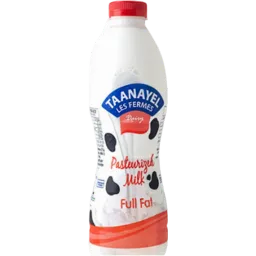
السلام عليكم، أبي رز بسمتي خمسة كيلو وحليب كامل الدسم
Hello, I want five kilos of basmati rice and full-fat milk.
- Assistant:
وعليكم السلام، أبشر. هذي الخيارات المتوفرة في فرعك:
Hello, right away. Here is what your branch has:
Two searches at the shopper's branch, one row each, with prices in riyals.
- Shopper:
إيش أرخص واحد في الرز؟
Which rice is the cheapest? (Hijazi wording)
- Assistant:
رتبتها لك من الأرخص. تبي أضيف الأول للسلة؟
I sorted them cheapest first. Shall I add the first one?
Same search, cheapest first, only rice that matches the request.
- Shopper:
ok add it, w abgha asawi kabsa l 10 ashkhas
OK add it, and I want to make kabsa for 10 people. (English and Arabizi)
- Assistant:
tamam, adaftah. hathi aghradh el kabsa l 10, kil wa7ed bil 7ajm elli yekfi:
Done, added. Here are the kabsa ingredients for 10, each in the pack size that covers it:
Recipe: ingredient lines with amounts, and for each the pack that covers it for the least money. Answered in Arabizi because the shopper wrote in Arabizi.
- Shopper:
حطها كلها في السلة
Put them all in the basket.
- Assistant:
تم. السلة جاهزة، راجعها واضغط تأكيد الطلب.
Done. Your basket is ready: review it and tap confirm.
The basket is in sync with the app's cart. Nothing is ordered until the shopper confirms.
Does it understand Saudi dialect and Arabizi?
Yes. Saudi shoppers do not write to a shop in formal Arabic. They write وش عندكم or إيش عندكم, أبي or أبغى, الحين or دحين, and they spell brands three ways: Almarai, المراعي, almar3i. Many type Arabic in Latin letters with numbers for the missing sounds, so "7aleeb" is milk and "3indkom" is "do you have". Younger shoppers drop English words into Arabic sentences without thinking about it.
Hephon Commerce reads all of that as one request. Its product search combines keywords and meaning over your live catalog, so it works for Arabic script, Arabizi and English, and finds "Tomatoes" when the shopper typed "tomato". It replies in the language and script the shopper used: Arabic to Arabic, Arabizi to Arabizi, English to English.
The Saudi tone of its replies does not depend on a model's guesswork. Fixed replies come from a phrasebook of approved Saudi phrases for each situation, and your team can edit it. That is how it says أبشر and تم instead of a stiff translation.
Why is an Arabic chatbot not enough for a supermarket?
Most Arabic chatbots sold in Saudi Arabia answer questions: opening hours, delivery areas, order status. A supermarket shopper wants something else: the right milk, at their branch's price, in the basket. That needs a catalog, not an FAQ.
Before the assistant shows any product, a fast classifier checks each of the top results against what the shopper actually asked, and off-topic items are dropped. Ask for "snacks for six watching the game" and you get snacks, not basketballs. It understands a budget ("under fifty riyals"), "cheapest first", "more options", "something similar" (which stays in the same category) and follow-ups such as "any of these on offer?". It never assumes food: if your store sells phones, a shopper asking for a phone gets phones.
It also cooks. "Kabsa for ten" becomes a list of ingredients with amounts in grams, millilitres or pieces. For each line it picks the pack that covers the amount for the least money, and how many packs. "Add all" puts the whole list in the basket, and the recipe steps are shown too.
Are prices in riyals and per branch?
Yes. Each branch is its own store in Hephon Commerce, with its own prices and stock in riyals. The shopper sees only what their branch can deliver, so the basket they build is the basket that arrives. A product that is out of stock at one branch is not offered there, even if another branch has it.
Is it halal by default?
You choose the rules, and the server enforces them. A retailer can hide alcohol, pork and tobacco, or all three as Halal. Those products are removed before the assistant sees the catalog, on every channel, so no wording and no clever prompt can bring them back. Each product is judged by an AI model, not a word list, and a product that has not been checked yet stays hidden. On WhatsApp, alcohol and tobacco are always excluded.
Can shoppers order on WhatsApp in Saudi Arabia?
Yes. Hephon Commerce answers on your own WhatsApp Business number, not a shared one. Shoppers get product cards, a basket, and a checkout they confirm with a tap. They can send voice notes, which are transcribed and answered like typed messages, or call the number and order by voice. It is the same assistant and the same basket as in your app.
Can shoppers order by phone in Saudi Arabic?
Yes. On calls it hears Saudi Arabic as people speak it and answers with a Saudi voice. It reads the basket back before anything is ordered, and the caller confirms on the keypad. A caller can always be handed to a person. The voice ordering page explains a call step by step.
What the numbers say.
Only figures we can stand behind, each with its source.
- 10M+
- App users at Panda, whose Saudi-dialect assistant our team built
- Panda case study, hephon.ai/case-studies/panda. Panda's assistant is a separate build, not Hephon Commerce.
- 3 channels
- Your app, your WhatsApp number and phone calls, one basket
- Hephon Commerce product, November 2026.
- Under 1 s
- For the assistant to reply on a call
- From the caller's last word to the assistant's first, as stated by Hephon, November 2026.
- 15,000
- Products in the public demo store you can test
- Hephon Market at commerce.hephon.ai/c/demo, a real quick-commerce catalog under a neutral name. Prices in US dollars.
How does it handle Saudi data and the PDPL?
Saudi Arabia's Personal Data Protection Law (PDPL), overseen by SDAIA, sets rules for how shoppers' personal data is collected, used and sent abroad. Here is what Hephon Commerce does today, so your legal team can judge it against your obligations:
- No conversation is ever used to train an AI model. Every model request is sent with data collection denied.
- Our servers are in the European Union today, so data is processed outside the Kingdom.
- Platform credentials are encrypted.
- Shopper data can be deleted on request.
We do not claim PDPL compliance or any ISO or SOC certification. We go through your requirements with your team before launch. The PDPL page has the detail.
What it does not do
- It never places an order on its own. The shopper confirms with a tap, on a signed checkout page, or with keypad 1 after the basket is read back on a call. A spoken or typed yes is not enough.
- It does not invent products, prices or delivery times. It offers what your catalog and the shopper's branch have.
- It does not decide what is halal from a prompt. That is done on the server, before the assistant sees the catalog.
When Hephon Commerce is not the right fit
- You have no online catalog. The assistant needs your products, prices and stock to work.
- You only need customer service: order status, returns and opening hours. A customer-service platform will cost less and fit better.
- Your data must stay inside Saudi Arabia from day one. Our servers are in the European Union today.
- You want self-serve signup and a public price list. Access is by invitation and each retailer gets a proposal.
Your catalog in, orders back to your platform.
Your catalog
- Your ecommerce platform
- A product feed
- Your API
Hephon assistant
Your rules, your languages
- 1Understands
- 2Searches
- 3Checks
- 4Fills the basket
Your shoppers
- Your app
- Phone calls
Live in three steps.
- 1
Connect your catalog
From Salla, Zid, Shopify, WooCommerce, a product feed, our REST API or a custom connector, with each branch's prices in riyals and its stock.
- 2
Set it up and test it
Its name, its Saudi tone and phrasebook, Halal rules and handover. Then a test suite built from your own catalog runs in Saudi Arabic, Arabizi and English.
- 3
Go live channel by channel
Start in your app or on your WhatsApp number, and add phone orders when you are ready.
Saudi retailers ask.
See it on your own catalog.
We set up a demo with your products, your branches and your shoppers' languages.